Why an Oklahoma City Residential Electrician Provides Safe Wiring
Why Choosing a Reliable Residential Electrician Is Crucial for Your Safety
Choosing a trustworthy home electrician is essential for guaranteeing household safety. Electrical projects demands careful attention and commitment to safety protocols. Faulty installations can cause significant risks, including electrical fires and shocks. A qualified electrician not only offers technical skill but also essential licensing and insurance. Being aware of the hazards of DIY electrical work and the value of professional help can significantly improve residential safety. What criteria should homeowners examine when finding the most suitable specialist for their electrical requirements?
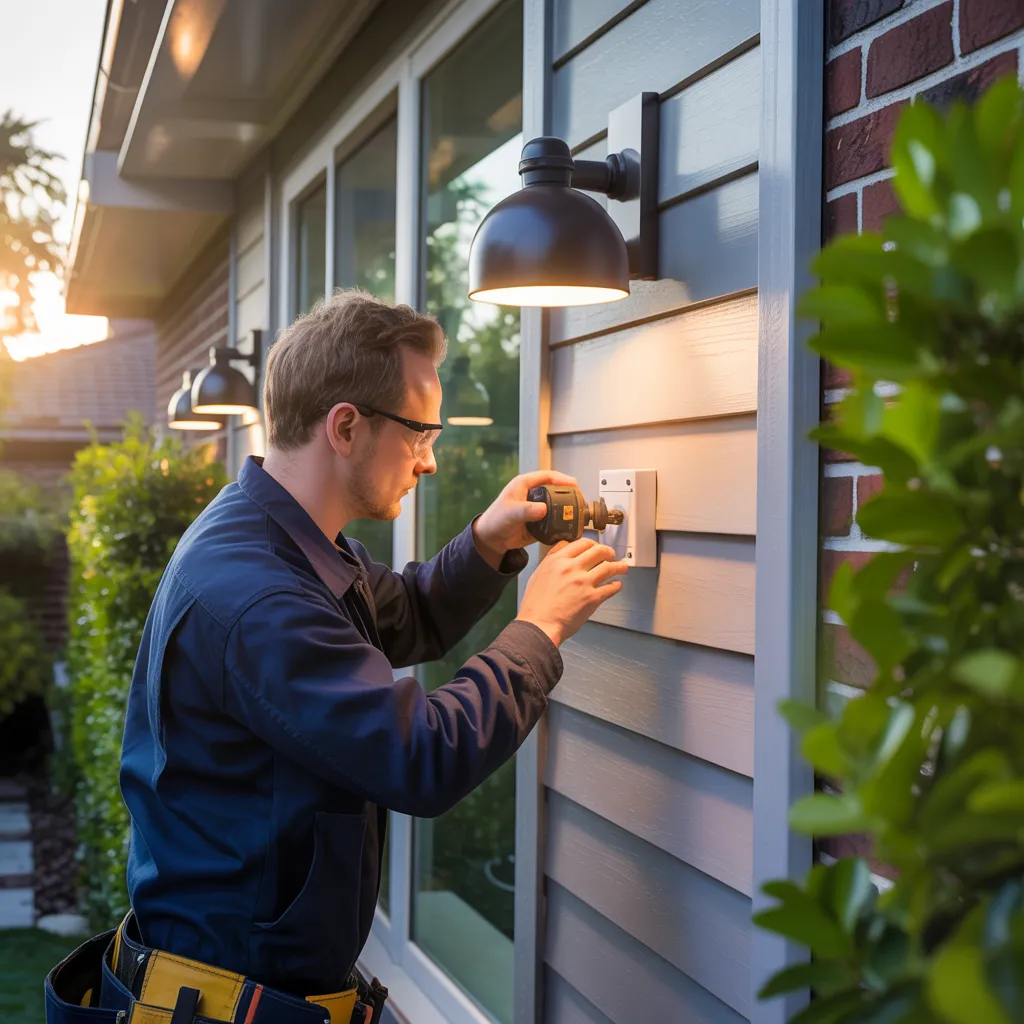
Why Attempting DIY Electrical Work Is Dangerous
Attempting electrical projects yourself can lead to considerable risks that often surpass potential cost savings. Most homeowners underestimate the challenges of home electrical systems, which can lead to hazardous conditions. Defective wiring, for example, can cause house fires, endangering lives and property. Moreover, incorrect installation of fixtures or outlets may pose hazards that are not immediately evident, posing long-term safety risks.
Electrical codes and regulations are in place for good reason, guaranteeing safety and compliance. Failure to comply with these standards can lead to legal consequences and issues during home inspections. Furthermore, DIY efforts can lead to costly repairs if issues arise, eliminating any upfront cost benefits. Without the necessary training and experience, homeowners risk missing essential elements, creating a more hazardous outcome. Ultimately, engaging a trusted residential electrician is key to ensuring safety and regulatory compliance, providing peace of mind that only professional expertise can offer.
Frequent Electrical Issues That Demand Expert Attention
Many homeowners frequently experience typical electrical problems that necessitate the knowledge of a professional electrician. Intermittent lights, frequently a sign of faulty wiring or loose connections, can create dangerous safety concerns. Furthermore, constant circuit breaker interruptions may suggest an overload or short circuit, both of which require immediate attention. A further common problem involves dead outlets, which can stem from a range of issues, including defective devices or wiring faults. Residents may also detect buzzing or sizzling sounds from outlets and switches, pointing to electrical arcing or compromised components. Moreover, an unexpected rise in energy costs might suggest concealed electrical issues. To conclude, the presence of a burning smell near electrical fixtures should not be overlooked, as it can suggest severe electrical risks. Tackling these concerns without delay with the help of a certified electrician guarantees not only the safety of the home but also the longevity of its electrical systems.
How to Choose a Qualified Electrician
When selecting a certified electrician, it is essential to check their licenses and credentials to ensure compliance with local regulations. Additionally, assessing their skills and experience can offer valuable information about their capability to address specialized electrical work. This careful evaluation helps homeowners reach well-informed conclusions and copyright safety standards.
Confirm Credentials And Licenses
To ensure the safety and quality of electrical work, checking the credentials and licenses of a candidate electrician is vital. This step guarantees that the electrician has completed the necessary training and education to execute electrical work safely and effectively. A certified electrician has completed specific examinations and adheres to regional and national electrical standards, which protects homeowners from potential hazards. It is recommended to obtain copies of licenses and confirm their authenticity through regional regulatory authorities. Furthermore, verifying any professional memberships or certifications can also reflect expertise. By implementing these measures, homeowners can greatly reduce the risk of employing unqualified professionals, thereby enhancing both safety and overall satisfaction with the electrical services rendered.
Review Experience And Expertise
Evaluating the skills and knowledge of an electrician is essential for ensuring superior results. A qualified electrician should have a well-established background in residential electrical work, ideally with several years of real-world experience. This expertise can be assessed through client testimonials, online reviews, or industry references. Moreover, specialized training or certifications, such as those in energy-efficient systems or home automation, can reflect a greater degree of skill. It is also helpful to inquire about previous projects comparable to the homeowner's needs, as this can provide insight into the electrician's problem-solving abilities and adaptability. Ultimately, choosing an electrician with a proven track record increases the probability of receiving safe and effective electrical solutions.
Why Licensing and Insurance Matter When Choosing an Electrician
Picking a home electrician involves thorough evaluation of a number of factors, with licensing and insurance being essential. A certified electrician demonstrates a standard of professionalism and adherence to industry standards, confirming they possess the required training and knowledge to execute electrical services in a safe and competent manner. Licensing also serves as a safeguard for residents, as it typically requires completing examinations and continuous learning.
Insurance is just as critical, protecting both the electrician and the homeowner. Should accidents or damages occur during a project, insurance may cover repair expenses and liability claims, lessening the financial burden on homeowners. Without proper insurance, homeowners may be held responsible for injuries or property damage. Therefore, confirming an electrician's licensing and insurance is essential for guaranteeing a safe and dependable electrical installation, ultimately contributing to the overall safety and integrity of the home's electrical system.
Essential Maintenance Tips for a Safe Home Electrical System
Consistent upkeep is vital for securing a reliable home electrical system. Residents should regularly examine outlets and switches for any evidence of wear or malfunction, such as discoloration or abnormal warmth. It is also important to evaluate circuit breakers to verify they are working as intended and to address any tripped breakers immediately. Ensuring electrical panels remain unobstructed and clean can enhance safety and accessibility during emergencies.
Additionally, homeowners should avoid overloading circuits by distributing electrical loads evenly across outlets. Utilizing surge protectors can assist in safeguarding appliances from voltage spikes. Routinely testing smoke and carbon monoxide detectors is vital, as they are central to the safety of your home. In conclusion, engaging a certified electrician for annual inspections can spot potential hazards ahead of time and confirm the electrical system operates examination efficiently, sustaining a safe living environment for all residents.
Analyzing Customer Reviews: What Are the Key Factors?
When seeking a reliable residential electrician, customer reviews serve as a valuable resource for reaching well-informed conclusions. Future clients should pay attention to key details within these reviews to assess the electrician's expertise and trustworthiness. First, look for comments on the caliber of work delivered; consistent praise for neatness and thoroughness is a good sign. Furthermore, examine the electrician's communication skills; reviews noting prompt replies and straightforward explanations reflect a professional approach.
In addition, factor in reviews regarding punctuality and adherence to project timelines, as this demonstrates the electrician's regard for clients' time. Finally, take note of how complaints are handled; a dedicated electrician demonstrates a commitment to customer satisfaction. By evaluating these critical aspects in customer reviews, people can more easily recognize electricians who prioritize safety and quality in their work.
Questions Our Clients Often Ask
What Credentials Should I Seek in an Electrician?
When selecting an electrician, you should consider qualifications such as appropriate licensing, insurance, necessary certifications, experience in residential work, positive customer reviews, and compliance with safety standards. These factors guarantee consistency and excellence in electrician services.
What Is the Best Way to Verify an Electrician's Credentials?
To confirm the credentials of an electrician, it is advisable to look for proper licensing, insurance, and certifications. In addition, checking online reviews and asking for referrals from reliable sources can give you a clearer picture of their professional competence and dependability.
What Should I Expect During an Electrical Inspection?
Throughout an electrical inspection, one can expect an in-depth examination of outlets, panels, and wiring. The electrician will inspect for safety hazards, code compliance, and carry out required tests to confirm the electrical system performs properly and efficiently.
How Do Electrical Codes Impact My Home?
Electrical codes define safety standards that guarantee installations remain safe and effective. They govern wiring, grounding, and equipment specifications, helping to prevent risks like fires and electrical shocks, ultimately safeguarding both property and occupants.
What Are the Indicators of a Quality Electrician?
A reliable electrician exhibits punctuality, has relevant certifications, communicates effectively, provides detailed estimates, and exhibits strong problem-solving skills. Additionally, positive customer reviews and a solid warranty on work are key indicators of reliability and professionalism.